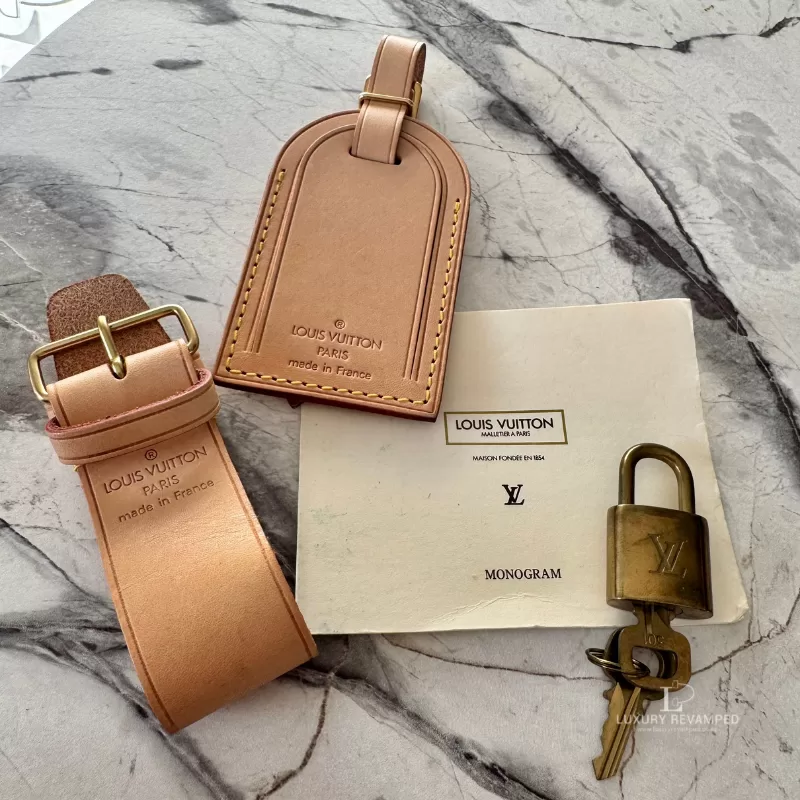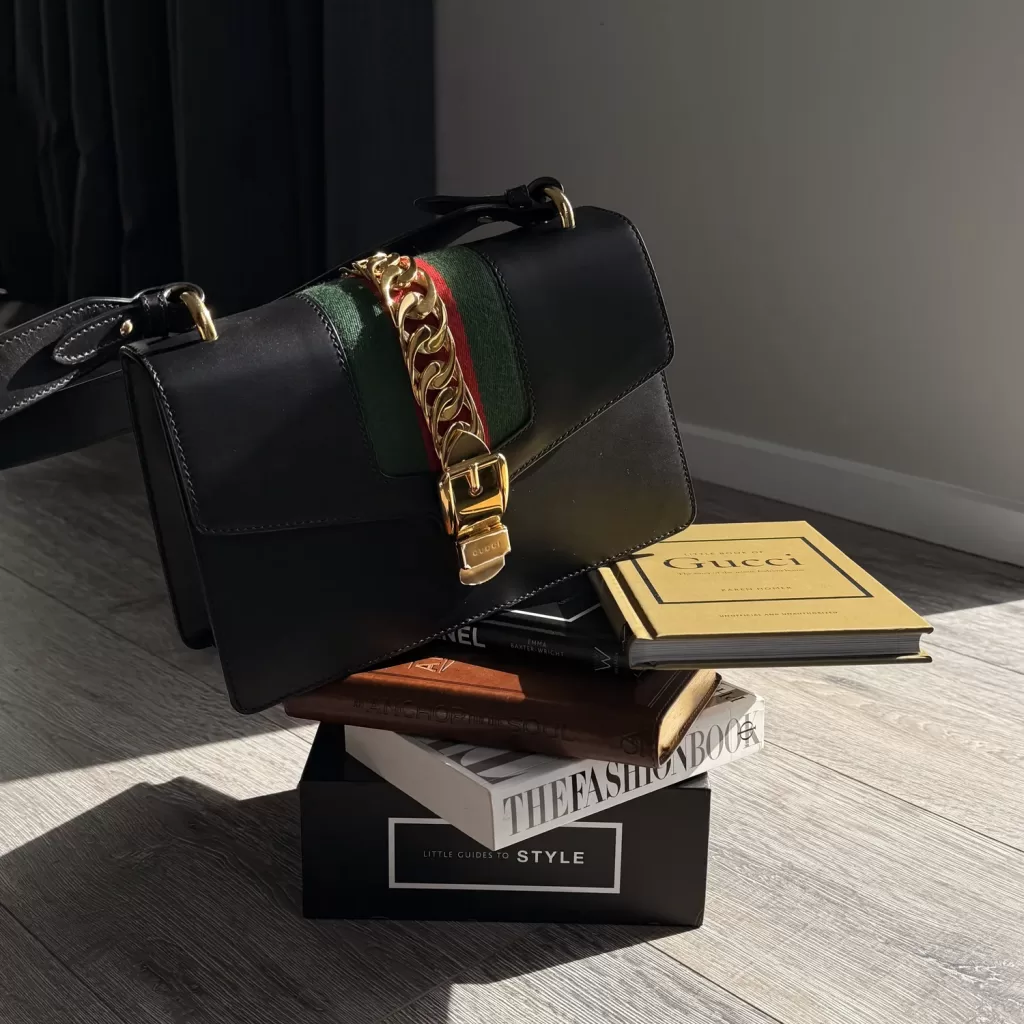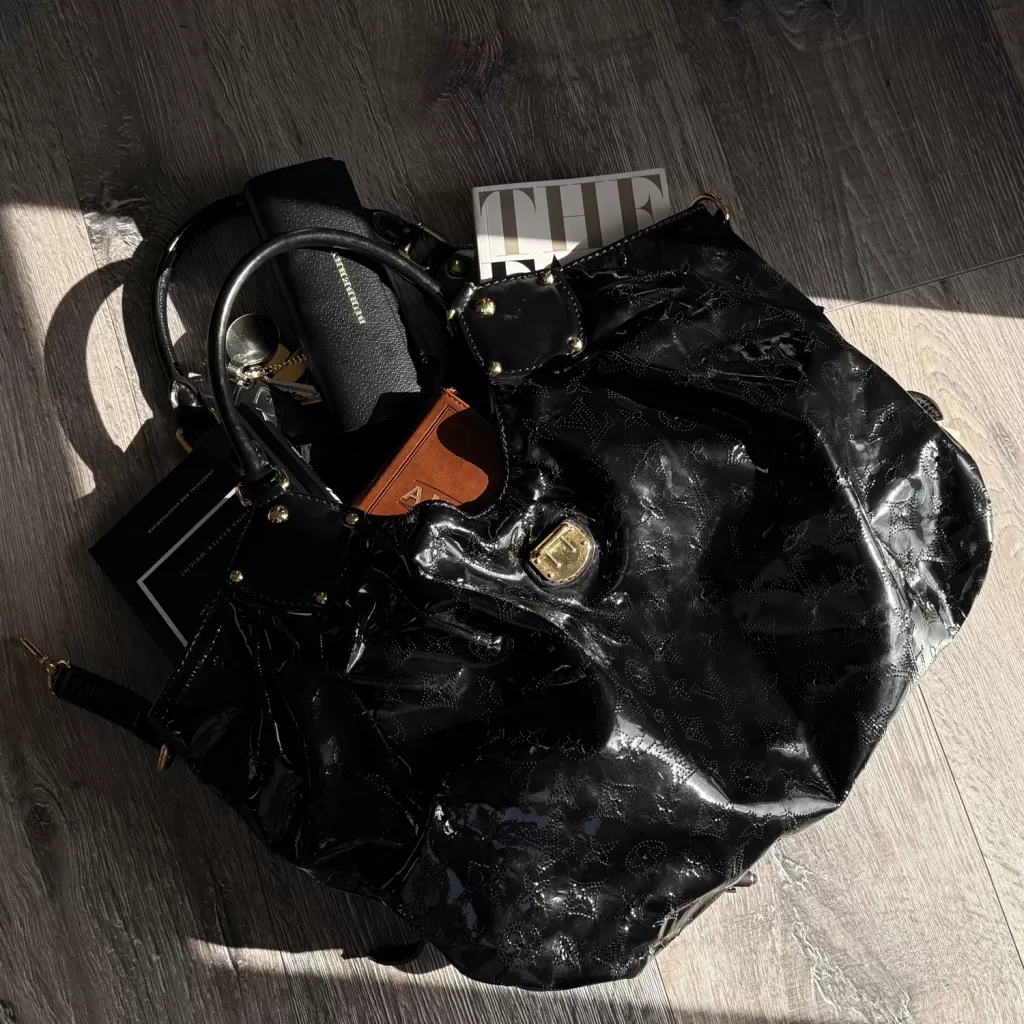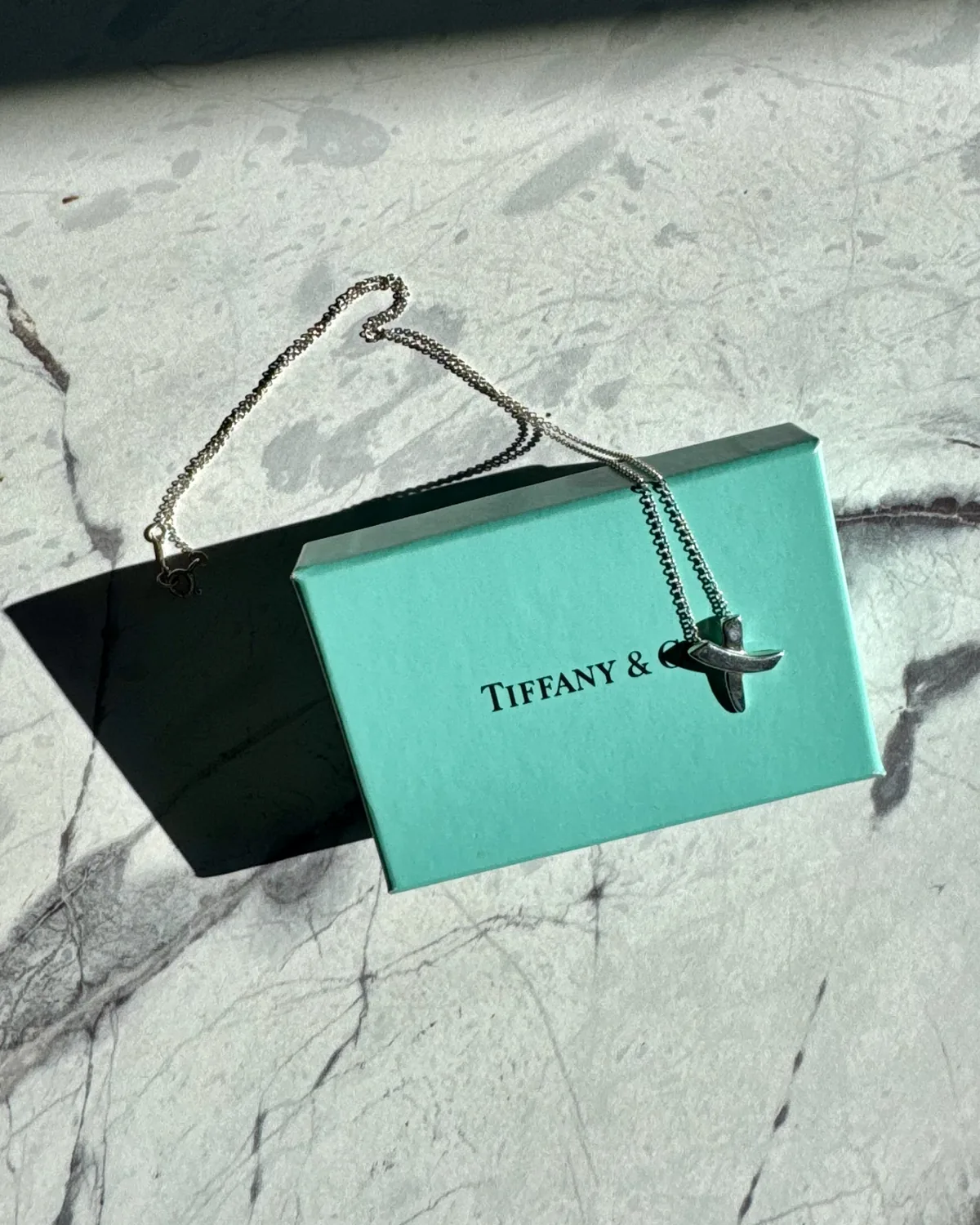
A considered bag collection rarely happens by accident. It is built, piece by piece, around a handful of questions worth asking before a single purchase is made.
Not every beautiful bag belongs in your collection. The ones that do tend to share a few qualities in common — they reflect who you are, they work harder than a single occasion, they hold their value, and they arrived at a price that made sense at the time. Here is how to think through each one.
Personal Style
Start here, before anything else. A collection built around trends dates quickly; one built around your own sense of style rarely does.
Are you drawn to clean, understated silhouettes, or do you gravitate toward a bolder, more decorative hand? Neither is more “correct” than the other — but knowing which one is genuinely you, rather than which one is simply popular this season, will save you from a wardrobe of beautiful bags you rarely reach for.
Versatility
The most valuable piece in a collection is often the one that moves easily between settings — the structured tote that carries a laptop by day and reads as considered rather than corporate by evening, the crossbody that works equally well dressed up or down.
A bag that only suits one occasion is a bag that spends most of the year in its dust bag. Versatility is not a compromise on personality — it is what makes a piece earn its place.
Investment Potential
Collecting pre-loved luxury is also, quietly, a financial decision. Brand heritage, material quality and construction all influence how well a piece holds its value over time — and how readily it finds its next home, should you ever choose to let it go.
Houses with a long, consistent track record for craftsmanship tend to be the safer foundation pieces. The more experimental, harder-to-find finds can come later, once that foundation is in place.
Budget
A collection is built in stages, not in a single afternoon. Set a realistic budget and prioritise accordingly — classic, versatile pieces first, as the foundation; more statement-making finds later, once that base is established.
There is no timeline you need to keep to. Building a considered collection is a long game, and the pieces that arrive slowly are often the ones you end up caring for the most.
The best collections are never the largest ones. They are the ones where every piece can explain why it is there.